

By Danielle M. Conway, AALS President
Dean and Donald J. Farage Professor of Law, Penn State Dickinson Law and School of International Affairs
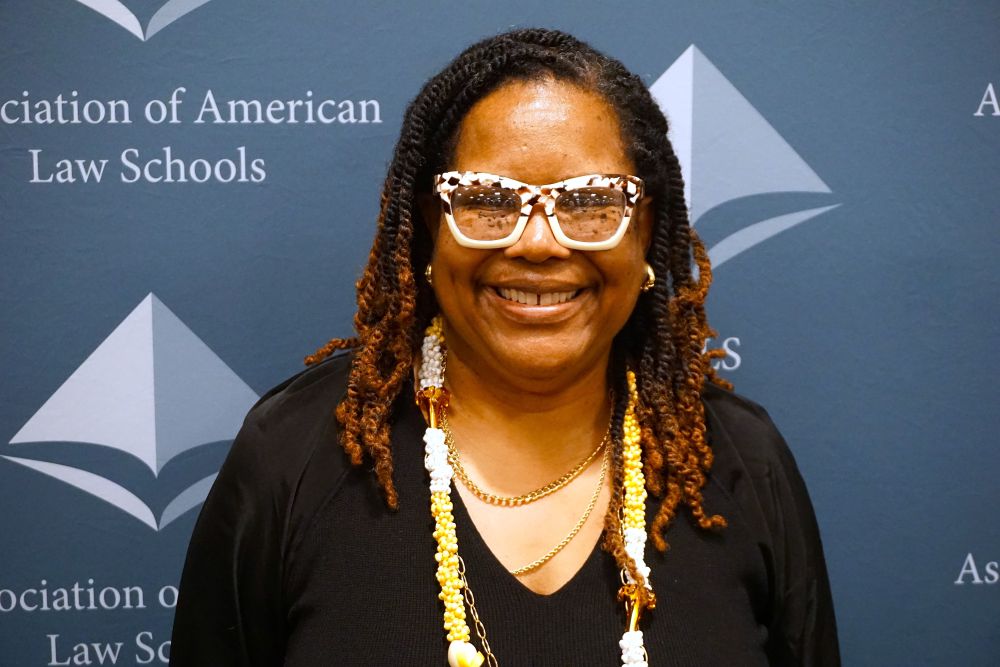
Graduation season invites us to reflect on the profound purpose of our work. Across the country, students are stepping onto stages and into their futures — lifted by the families, mentors, and communities who have supported them along the way. Their achievements reflect not only their own perseverance, but also the unwavering commitment of the staff, faculty, administrators, and deans, all of whom make legal education possible.
At this moment of celebration, we are reminded that legal education is more than professional preparation; it is part of the democratic project itself. It is where knowledge is created and advanced, where intellectual inquiry is protected and cultivated, and where future lawyers are equipped to serve justice and the public good. These values are at the center of my AALS presidential theme, Emancipate. Academic. Freedom., a call to recognize academic freedom as both a privilege and a special duty, one grounded in facts, evidence, inquiry, and accountability.
This year has tested us in new and significant ways. We have faced a changing landscape for civil rights, differing views on the existence (or not) of challenges to the rule of law, diverging viewpoints about diversity, equity, inclusion, and belonging, and disruption to markets, economies, and employment opportunities partly resulting from the adoption of various types of artificial intelligence. Just one of these issues alone could be the basis for year-long problem posing and discourse. These issues have pressed us to rethink how we teach, how we learn, and how we prepare students to serve the legal profession and our society. These developments have brought uncertainty, curiosity, contestation, and urgency into our classrooms, clinics, libraries, and administrative spaces. And through it all, you have continued to lead with integrity, imagination, and empathy.
Let me say this plainly and with deep appreciation: I see you. I am with you. I applaud you.
We also have a responsibility to seek and acknowledge joy. This season we celebrate a renewal for our profession—graduation! We are also celebrating by welcoming new colleagues into the academy who will continue to strengthen our shared commitments. In this spirit, I want to highlight two upcoming opportunities for connection and growth.

The AALS Conference on Clinical Legal Education, taking place this week (May 1–5) in Portland, Oregon, brings together faculty colleagues whose work in experiential education remains central to our mission of advancing justice and expanding access to legal services. And from June 4–6 in Washington, D.C., the AALS Workshop for New Law School Teachers will offer essential support, mentorship, and community for those beginning their academic careers.
These important gatherings remind us that legal education thrives when we invest in one another.
Your work has fortified legal education during a moment of profound change. You have shown our students that legal education is not merely a pathway to a profession, but a commitment to justice, democracy, and the public good.
As your AALS President, I also want to share several initiatives that reflect our collective responsibility to meet this moment with clarity and purpose. Many outside our community still do not yet fully understand the depth of engagement and expertise that legal educators bring to the marketplace of ideas and innovation. For example, to illuminate this work in the space of technological innovation, AALS leaders will soon publish an op-ed in Bloomberg highlighting the remarkable efforts related to artificial intelligence underway across our member schools.
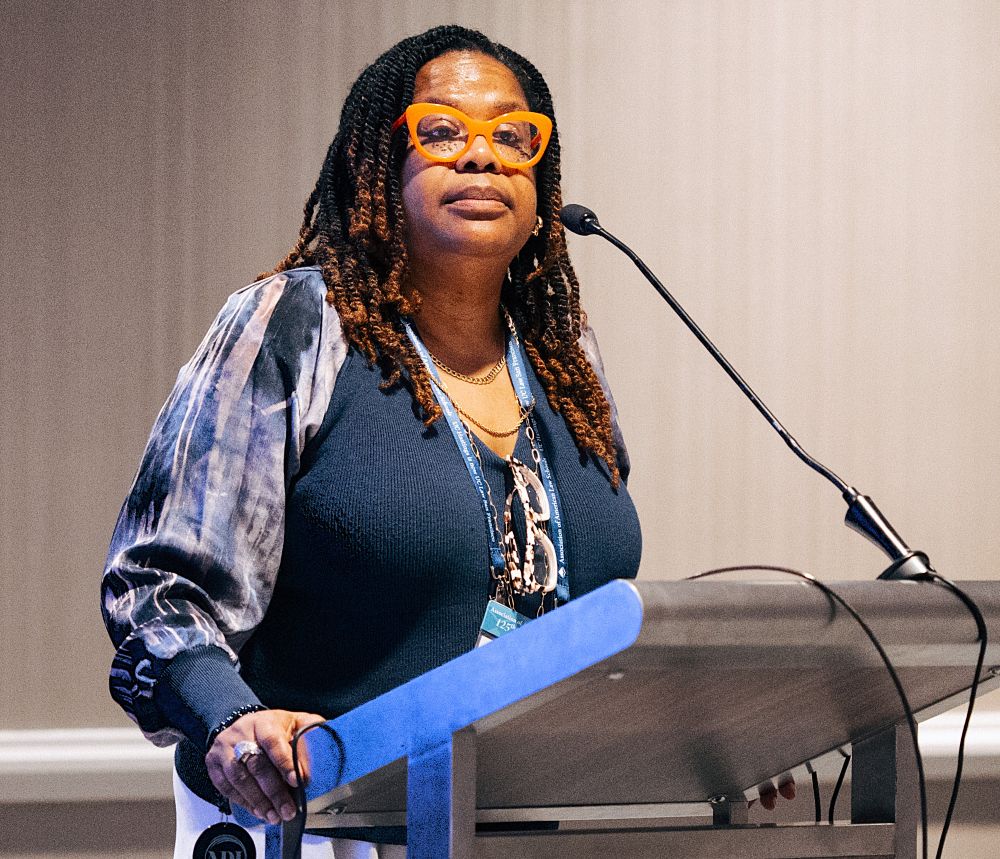
We are also collaborating with West Academic and faculty volunteers, including Associate Dean and Professor Daryl Lim of Penn State Dickinson Law, to build a new AALS AI clearinghouse that will gather information, institutional policies, and innovative approaches emerging across our institutions.
Our partnership with West Academic also produced a three-part spring webinar series on AI and legal education, with additional sessions planned for the fall. Planning has also started on research initiatives that will explore student and faculty perspectives on generative AI and its impact on teaching, learning, and scholarship.
This fall, we are preparing a national convening to bring our community together for deeper discussion, collaboration, and exploration of emerging AI tools and resources. In addition, I am assembling an advisory committee of staff, faculty, administrators, deans, and external experts to help guide our collective work in this rapidly evolving space.
These initiatives reflect a simple truth: while each law school must chart its own course, we are strongest when we move forward together.
As we close out the academic year, I hope you will take time to rest, reflect, and reconnect. You have earned a restorative summer. I look forward to continuing our shared work — grounded in mission, guided by values, and committed to excellence in legal education.
Thank you for all you do.